Flood Insurance Gaps
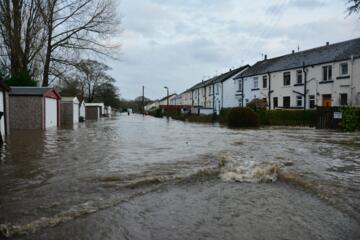
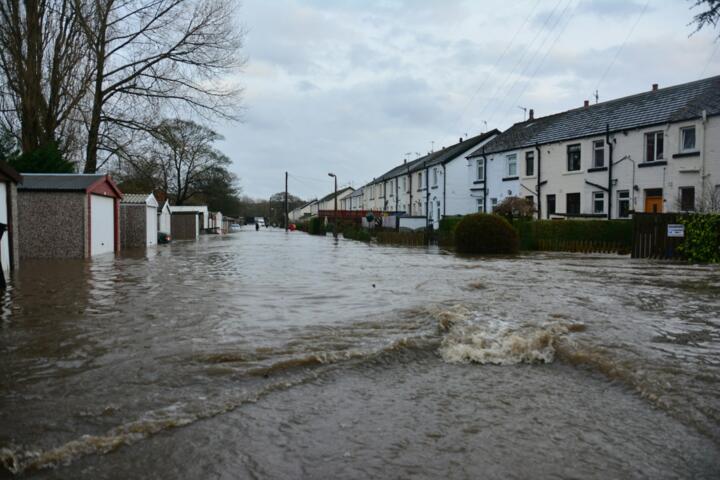
Flooding doesn't come from rain alone—it happens when overflowing rivers, flash floods, storm surges, or broken levees spill water into homes. Despite this clear risk, about 90% of standard home insurance policies do not include flood damage. A 2022 report from FEMA confirms most homeowners mistakenly believe their policies cover flood losses, which leads to financial disaster after a flood event.
Take Hurricane Harvey, for example: over 80% of damaged homes in Houston lacked flood insurance, despite the city's flood-prone history. Flood risk zones, especially along coasts and rivers, affect nearly 20 million US homes today. Yet, standard policies treat flood damage separately, leaving many unprotected.
Why Flood Coverage Is Excluded
Companies avoid flood coverage because its potential costs soar unpredictably. Flood damage isn't like a fire or theft loss; flooding impacts thousands simultaneously, making claims massive and simultaneous. Insurers depend on spreading risk among large, diverse groups — floods break that pattern.
This mismatch leads to insurers pulling flood from policies — they lose money fast if a serious event hits. That risk concentration requires special handling and enormous financial resources, which standard policies aren’t structured for.
Additionally, federal regulations backstop flood insurance in high-risk areas via the National Flood Insurance Program (NFIP). Private insurance generally refrains from overlapping this government plan, causing a coverage gap homeowners may not expect.
Ways to Address Flood Risk
Buy Separate Flood Insurance
Purchasing a dedicated flood insurance policy remains the clearest solution. The NFIP offers subsidized premiums for eligible homeowners, with coverage limits up to $250,000 for structures. For others, private flood insurers like FloodSmart or Lloyd’s of London provide alternatives, often with faster claims processing and higher limits.
Assess Your Flood Risk Precisely
Start with FEMA’s Flood Map Service Center to identify flood zones. Risk varies drastically within regions. Tools like RiskFactor or ClimateCheck provide detailed property-level flood risk scores, considering recent rainfall models and sea-level projections—often overlooked but critical.
Elevate and Retrofit Properties
Avoid damage by physical mitigation: raising electrical outlets, installing flood vents, and elevating heating systems. FEMA disbursed $1.5 billion in mitigation grants between 2018–2022, showing legal incentives exist. Though upfront cost is high, flood premiums drop significantly, sometimes by 20% to 30%, after these improvements.
Implement Smart Landscaping
Grade yards away from foundations and consider permeable pavements. Rain gardens and swales, small landscaping modifications, divert water before it threatens homes. These inexpensive tweaks reduce flood impact and may prevent claims.
Maintain Good Local Engagement
Flood zones, building codes, and insurance options depend on municipal planning. Engaging local floodplain managers or attending city planning meetings yields early warnings about zone changes or levee work that affects coverage.
Regularly Review Insurance Policies
Prices and coverage rules change. Insurers update flood endorsements or offer hybrid policies occasionally. Keeping current allows homeowners to capitalize on new offerings. A policy review biannually is a good rhythm.
Invest in Portable Flood Barriers
Temporary flood shields or barriers can be a cost-effective last defense. Brands like Aqua-Guard or Quick Dam provide portable flood protection for under $500. Not perfect, but worth considering for flood-prone basements or low-first-floor homes.
Use Real-Time Flood Alerts
Apps like FloodWatch or NOAA Weather Alerts provide minute-by-minute updates. Early warnings grant precious time to move valuables or deploy barriers. Skipping alerts — seriously, don’t.
Flood Protection in Practice
Consider a suburban homeowner near the Mississippi River: they initially assumed standard policies covered flood damage. After heavy flooding in 2021, they faced $40,000 in repairs uncovered by insurance. Post-loss, they bought NFIP flood insurance, raised critical systems by 12 inches, and employed portable flood barriers. Their next flood caused minimal damage, and insurance premiums dropped 15%.
Another case involved a city apartment complex rebuilt after a 2019 flood. The management switched to a private flood insurer with rapid claims handling. That insurer approved $350,000 for repairs within two weeks, returning tenants faster than the NFIP allowed, which, frankly, most people skip due to long wait times.
Flood Coverage Options
| Option | Coverage Limit | Premiums | Claim Time |
|---|---|---|---|
| NFIP | $250K building | Low/Subsidized | Weeks to months |
| Private Flood | Up to $1M + contents | Higher, variable | Days to weeks |
| Endorsement | Varies, limited | Moderate | Uncommon |
| No Coverage | $0 | $0 | Denied |
Flood Coverage Pitfalls
Confusing flood insurance with water damage coverage is common. Policies may cover pipe leaks but exclude external flooding. Not checking the actual flood zone on maps leads to gaps.
Ignoring elevation certificates can cost money. Insurers often require these to base rates accurately; skipping them means pricier premiums.
Also, delaying flood policy purchase after a home purchase is risky. Most flood policies have a 30-day waiting period before coverage kicks in. Signing late means exposure if flooding strikes early.
Lastly, clinging to the idea standard policies cover floods hurts: those policies explicitly exclude flood damages, which is a legal industry norm, not an oversight.
FAQ
Why do floods need separate insurance?
Floods cause widespread, severe losses that standard home policies are not financially equipped to cover. Dedicated policies spread this risk differently.
Does homeowner insurance ever cover flood?
Almost never. Most coverages exclude flood by contract definition. Check your policy closely.
What is the NFIP?
The National Flood Insurance Program is a federal program offering flood policies in participating communities with subsidized rates.
How fast can I get flood insurance?
NFIP generally requires a 30-day waiting period before coverage begins, though private insurers may be faster.
Can flood risk be reduced physically?
Yes, by elevating utilities, improving drainage, and installing flood barriers, homeowners can reduce potential damage and premiums.
Author's Insight
I’ve worked with flooded homes in the Midwest and witnessed how many neglect flood insurance, losing tens of thousands in repairs. The gap in coverage often surprises them, even seasoned homeowners. Signing up for a separate flood policy early, and improving physical defenses, cuts risk dramatically. Following local flood zone changes regularly also helped clients avoid costly mistakes.
What to Remember
Floods are excluded from most home policies because of concentrated risk and regulatory frameworks like NFIP. Homeowners should not assume coverage but instead evaluate flood risk zones carefully and purchase dedicated policies. Combining insurance with pragmatic mitigation—like elevating utilities and using flood alerts—reduces losses. Regular policy reviews and local engagement help adjust protection for changing flood realities. Plan ahead—don’t wait for flood waters to show gaps.