Popular Articles
 Emergency Tips
20.09.2026
Emergency Tips
20.09.2026
The First Phone Call: What to Say When You Report a Claim
Reporting a health or insurance claim often starts with a phone call that sets the record for later decisions. This guide is for people who need to report a claim after an injury, illness, or medical event and want to speak clearly. You’ll learn what to say first, which details matter for documentation, how to handle common call mistakes, and what to write down immediately so follow-up is less stressful.
 Emergency Tips
02.08.2026
Emergency Tips
02.08.2026
Power Outages and Spoiled Food: What Home Insurance Covers
A sudden power outage can quickly turn a stocked fridge or freezer into a costly problem, leaving homeowners with spoiled groceries and an unexpected bill. This article breaks down what most home insurance policies may cover when food goes bad after an electrical shutdown, and when coverage might not apply. It also clears up common myths, shares practical tips to help prevent food loss during outages, and walks you through how to document damage and file a claim smoothly if you need to.
 Emergency Tips
26.07.2026
Emergency Tips
26.07.2026
What Additional Living Expenses Coverage Pays During an Evacuation
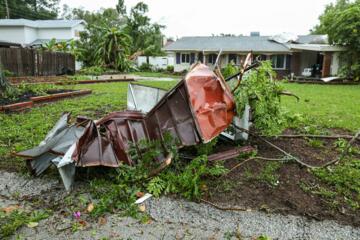
If a covered disaster forces you out of your home, Additional Living Expenses (ALE) coverage can help keep the disruption from turning into a financial crisis. It’s designed to reimburse the “extra” costs you face while you can’t live there - things like a hotel or temporary rental, increased meal costs, laundry, extra transportation, and other day-to-day expenses that go up because you’ve been displaced. In this article, we break down what ALE typically pays for (and what it doesn’t), using real-world examples and supporting data so you can see how claims often play out. Whether you’re a homeowner or renter, you’ll come away with a clearer picture of how ALE can protect your budget when you suddenly need to relocate.
 Emergency Tips
12.07.2026
Emergency Tips
12.07.2026
The Real Reason Claims Get Delayed After a Disaster
The assumption behind most advice here is that delay after a disaster is a tactic. Sometimes it is; far more often it is the predictable output of a temporary catastrophe adjuster workforce carrying heavy caseloads, a sequential review chain where every handover is a queue, and reassignments that lose context. This guide explains those mechanics, covers the delay nobody warns you about — on a financed home the cheque is co-payable to your lender, escrowed, and released in draws against inspections, which is frequently where the money actually stops — and sets out the four things you genuinely control, plus the point at which delay stops being structural and becomes a regulatory matter.
 Emergency Tips
05.07.2026
Emergency Tips
05.07.2026
Before the Storm: How to Photograph Your Home for a Claim
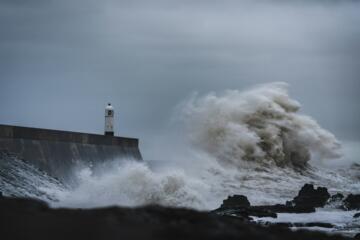
Documenting your home before a storm can make a huge difference if you later need to file an insurance claim. This guide walks you through practical, easy-to-follow steps for taking clear, detailed photos that show the true condition of your property - inside and out - before any damage happens. It covers what tools to use (from smartphones to basic lighting), which areas to focus on, and the best angles to capture useful evidence. Homeowners in storm-prone areas will learn how to create a strong visual record that helps speed up claims and reduces disputes.
 Emergency Tips
28.06.2026
Emergency Tips
28.06.2026
What Insurance to Review Before Storm Season
Storm season can cause sudden, expensive damage - from roof loss and broken windows to ruined inventory and prolonged business interruption. This article helps homeowners and business owners review the insurance policies that matter most before severe weather hits, including home, renters, commercial property, auto, flood, and umbrella coverage where relevant. It explains how wind, hail, water intrusion, and flooding are treated differently by insurers, and points out frequent coverage gaps such as high wind deductibles, exclusions for surface water, limited coverage for detached structures, and inadequate loss-of-use or business income limits. You’ll also get practical, step-by-step actions to adjust limits, endorsements, and deductibles, document property, and coordinate policies to reduce surprise out-of-pocket costs after a storm.
 Emergency Tips
14.06.2026
Emergency Tips
14.06.2026
How to Create a Family Emergency Plan
Creating a family emergency plan helps everyone in your household respond quickly and calmly to unexpected situations such as severe weather, wildfires, floods, or extended power outages. This article walks you through building a clear plan: how to set up emergency contacts and meeting points, assign roles, plan evacuation routes, and prepare for special needs like pets, medications, or mobility issues. You’ll also learn how to assemble and rotate supplies, store important documents, and practice the plan using real-life scenarios - plus common mistakes to avoid so your family stays safe and organized when it matters most.
 Emergency Tips
11.06.2026
Emergency Tips
11.06.2026
How to Keep Important Documents Safe From Disaster
Advice on this subject tells you to protect your important documents, which is not actionable because everything feels important at once. A more useful sort is by what it takes to get each one back — and surprisingly few documents genuinely require the original to survive. This guide covers which ones do, what a fire safe rating actually measures and why a paper-rated safe will destroy the backup drive stored beside your deeds, the three limitations of a bank box including the access freeze that can trap an original will, and the digital access problem that causes most preparedness plans to fail when they are finally needed.
 Emergency Tips
21.05.2026
Emergency Tips
21.05.2026
Insurance Claim Documentation: Evidence Collection Protocols
Insurance claim documentation is a critical process for ensuring claims are settled accurately and promptly. This article is designed for policyholders, claims adjusters, and legal advisors who need precise evidence collection protocols to avoid disputes and delays. It addresses common documentation mistakes, explores practical solutions, and highlights industry best practices for comprehensive claim validation.
 Emergency Tips
07.05.2026
Emergency Tips
07.05.2026
How to Prepare a “Financial Survival Kit” for Disasters
Most advice here merges two different instruments. An emergency fund sits in a bank and handles a job loss; disaster liquidity is money and information you can reach with no power, no signal and no open branch, sized in days rather than months. This guide is about the second one: what specifically stops working in the first 72 hours, how to size the cash from what actually has to be paid rather than adopting a round number, and the item that belongs in a financial kit and never appears in one — the four facts about your policy that let you request an advance on contents and living expenses from your insurer on day one, which after a declared disaster may be a statutory entitlement.