Power Outages and Food Loss
Power outages disrupt modern homes every year, especially during severe weather or grid failures. Across the U.S., the average household loses power for about 4.5 hours annually due to storms or equipment problems. When refrigeration stops, food in freezers and refrigerators can spoil fast, causing waste and financial strain. For example, ice cream melts within a few hours, while meats may become unsafe after just four hours without cooling.
Imagine coming home to a blackout after a storm, opening your fridge, and realizing all leftovers and fresh groceries have gone bad. That scene is typical, and many families face questions about insurance coverage for these losses. Understanding the scope of home insurance helps avoid surprises in the claim process.
Coverage Misunderstandings
Many assume their homeowner’s policy automatically replaces all spoiled food after a power outage, but that’s not the case. In reality, standard policies often exclude losses from utility interruptions unless specific endorsements exist. Food spoilage usually falls under ""off-premises power failure"" or ""utility service interruption"" sections, which are often optional add-ons.
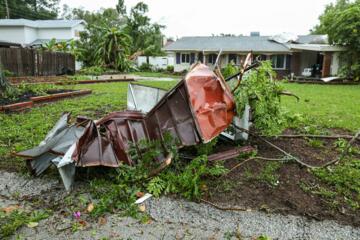
Policyholders wrongly believe every appliance failure or blackout qualifies. It matters what caused the outage. For instance, if the power cut results from a covered peril like a windstorm knocking down power lines, insurance might help. Otherwise, if the blackout stems from routine maintenance or utility company issues, loss claims often get denied. This distinction causes confusion and frustration when filing.
Consequences can reach hundreds of dollars lost in groceries per incident. I once helped a client whose UPS failed after a heavy snowfall, spoiling about $350 worth of food. Their insurer rejected the claim because they lacked proper coverage for off-premises power failure.
Protect Home and File Claims
Check Your Policy’s Power Failure Coverage
Review your homeowner’s insurance declarations page to see if “off-premises power failure” or similar endorsements are included. Without this, food spoilage claims due to utility outages typically won’t be honored. Adding coverage can cost $25-$50 annually but safeguards potentially hundreds lost in spoiled refrigerated goods.
Document Food and Appliances
Keep a current inventory of perishable items with approximate values and purchase dates. Use apps like Sortly (version 4.7) to track groceries efficiently. Photograph spoiled items immediately after an outage, noting the date and duration of the power loss. This evidence supports your claim and reduces disputes.
Understand the Coverage Limits and Deductibles
Food spoilage coverage usually caps at a percentage of your personal property limits—often around $500 to $1,000. Deductibles apply; for example, a $1,000 deductible means minor spoilage losses won’t trigger reimbursement. Confirm specifics before filing claims to predict outcomes better.
Use Preventive Tools to Minimize Loss
Invest in backup generators or a high-capacity UPS (uninterruptible power supply) for key appliances. A 7,000-watt generator powers a standard home refrigerator up to 8 hours during outages. Temperature alarms inside freezers can alert you early, reducing spoilage risk. These steps lower claim frequency and overall food waste.
File Promptly and Accurately
Submit claims as soon as possible with clear documentation: proof of power outage timing (from utility company notices), photos of spoiled food, and receipts or purchase histories. Delays reduce chances for payback. Be specific on what caused the damage—utility outage versus internal appliance failure.
Explore Refrigerator Warranty Options
Check your fridge’s warranty terms; some manufacturers cover food loss if appliance malfunctions before expiry. Brands like Whirlpool and GE include limited food replacement schemes under extended warranties, which, frankly, most people skip.
Stay Updated on Local Utility Outage Policies
Some electric companies offer reimbursement programs or relief funds for customers facing extended outages. For example, in California, PG&E has protocols after wildfire-induced outages. Contact your provider promptly to learn about available support, which, depending on conditions, could supplement insurance coverage.
Consider Renters Insurance Options
Renters policies sometimes include food spoilage coverage on personal property endorsements. Though limited compared to homeowner’s plans, adding this coverage can help non-homeowners protect groceries during outages.
Regularly Review and Adjust Coverage
As your grocery habits change or stocking levels increase (e.g., bulk buying from Costco), update your coverage limits. More frozen items require higher limits, reflecting real risk. It stops underinsurance from hitting after a costly outage incident.
Real-Life Examples
The Smith family of Raleigh faced a 10-hour outage from an ice storm in February 2023. Their freezer thawed, spoiling $450 of meats and frozen vegetables. Their insurance policy included off-premises power failure coverage. After submitting detailed photos and utility logs, they received a $400 payout within three weeks, minus the $250 deductible.
Contrast this with a small restaurant in Chicago. An unexpected city-wide blackout in late 2022 led to $2,000 worth of frozen inventory lost. The owner had no specific power outage rider, plus a 5-day delay filing. The claim was denied due to insufficient documentation and policy limits.
Claim Readiness Checklist
| Step | Action | Goal | Notes |
|---|---|---|---|
| 1 | Review insurance for outage riders | Know coverage scope | Call insurer if unclear |
| 2 | Create food inventory list | Proof of loss value | Update quarterly |
| 3 | Take photos during outages | Visual claim support | Include time/date |
| 4 | Keep outage reports from utility | Verify outage period | Check online portals |
| 5 | File claim fast with evidence | Prompt resolution | Meet insurer deadlines |
Missteps to Avoid
Failing to check your policy before an outage is the top misstep. Many homeowners scramble only after losing groceries. Without outage riders, claims are denied immediately. Skip assuming that all policies cover power failures—that mistaken expectation leads to frustration and wasted time.
Not documenting losses properly compounds problems. Vague descriptions of spoiled food or late claims weaken your position. Another misstep involves ignoring local utility outage information. Missing official outage duration confirmation weakens proof of loss. People often underestimate the deductible’s impact, filing claims for minor losses that don’t reach the payout threshold.
FAQ
Does homeowners insurance cover spoiled food?
Only if the policy includes an off-premises power failure endorsement. Without it, most standard policies exclude food spoilage losses caused by utility outages.
How long can food stay safe during an outage?
Generally, food stays safe up to 4 hours if the fridge remains closed. Freezers can keep food cold for 24–48 hours depending on size and insulation.
Can I claim food spoilage from an appliance failure?
Sometimes. If the failure is sudden and due to a covered peril, your insurer might pay. Routine wear or neglect usually isn’t covered.
How do I prove food spoilage for a claim?
Photographs, an updated inventory, receipts, and outage reports help substantiate your loss during claims processing.
What preventive tools reduce food spoilage risks?
Generators, UPS systems, temperature alarms, and regular fridge maintenance can prevent or reduce spoilage risk in outages.
Author's Insight
After years helping clients with home insurance claims, food spoilage coverage remains a frequent surprise for many. I recommend checking your policy every year, especially if you stockpile groceries. Backups like portable generators pay off during long outages, and the paperwork—often skipped—is what seals a successful claim. Keep evidence ready and file claims quickly; insurers don’t reward hesitation or guesswork.
What to Remember
Power outage food spoilage isn’t automatically covered by most home policies. Coverage hinges on add-ons, documentation, and timely claims. Protect yourself by confirming your policy limits, maintaining a food inventory, and using preventive tech gadgets. When outages hit, acting fast and organized increases the chance of recovering losses. Don’t let spoiled food break your budget twice—prepare and claim right.