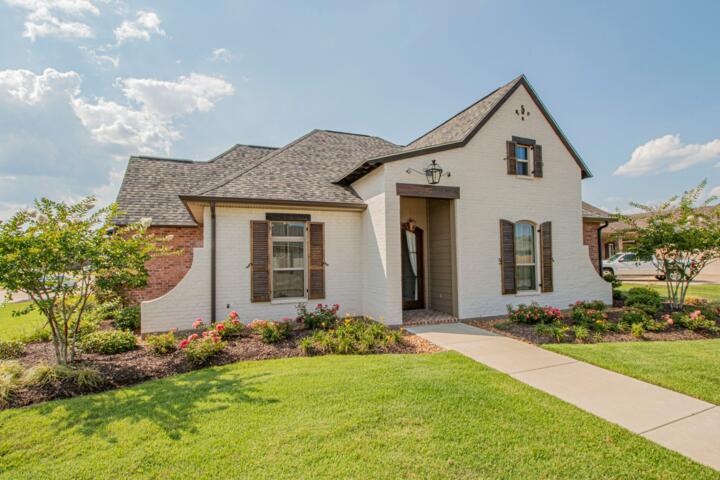
Understanding Home Insurance
Home insurance isn’t just a policy—it’s your safety net after sudden incidents like fires, storms, or theft. But the phrase ""insured for enough"" varies surprisingly between policies. A 2022 study showed over 40% of homes in the U.S. were underinsured by at least 20%, risking enormous out-of-pocket expenses. For example, a house valued at $300,000 might only carry $240,000 in insurance, leaving a $60,000 gap in rebuilding costs. Gaps like this often result from outdated valuations ignoring current material and labor costs.
Another wrinkle lies in understanding what a policy covers—market value, replacement cost, or actual cash value. These terms aren't interchangeable. Replacement cost refers to rebuilding your home with similar materials and quality, usually the safest coverage to aim for when estimating adequacy.
Accurate valuation isn’t guesswork; it derives from inspected home evaluations, local contractor estimates, or software tools insurers use. Some tools reflect pricing from major suppliers updated quarterly—a quick aside, I once found an estimator wildly off because it didn’t factor recent lumber price spikes in 2021, which lasted months.
Common Coverage Gaps
Underestimating your home's worth leads to financial shock after disasters. Many assume their mortgage balance equals replacement cost, which is a mistake. If your loan is $200,000 but it costs $280,000 to rebuild, your $200,000 coverage falls short. Even the smallest gaps can double your liabilities if costs climb unexpectedly.
A related pain point comes with belongings coverage. Many forget to update coverage when purchasing new valuables or renovating. The average homeowner’s belongings grow 5-10% yearly in value, a figure often overlooked during policy renewal.
Choosing insufficient liability limits invites lawsuits without fallback funds. Most standard policies hold $100,000 liability limit, but with medical or legal fees surpassing that, homeowners bear the excess. Rising jury awards in property cases mean outdated limits can be catastrophic.
Finally, natural disaster add-ons or flood insurance needs receive little attention. Roughly 20% of US homeowners live in flood zones, yet only 12% carry flood insurance per FEMA stats. Not adding this coverage often comes from misunderstanding risk or cost illusions.
Verifying Your Coverage
Review Replacement Cost Estimates
Replacement cost evaluates the real price to rebuild your home with identical materials, labor, and design. Request a professional appraisal every 3–5 years or use insurer-grade pricing tools such as Xactimate or Verisk HomeEstimate 3.8. Doing this provides more precision than market comps or mortgage appraisal alone.
Inventory Personal Property
Track and value personal belongings using smartphone apps like Sortly or Encircle. These help you capture items with photos, receipts, and estimates. Regularly updating this list prevents surprises; for instance, a claim after a burglary can miss expensive electronics not listed. Personal property coverage generally caps at 50%-70% of your dwelling coverage, so knowing actual values guides whether to buy endorsements.
Understand Liability and Medical Payments Coverage
Standard policies come with $100,000 liability limits—too low in many areas. Consider at least doubling this limit or adding umbrella policies offering $1 million or more. This protects savings and investments from claims like dog bites or slip-and-fall accidents.
Check for Exclusions and Endorsements
Many policies exclude or limit coverage for floods, earthquakes, or sewer backups. Research local natural risks and add endorsements if needed. Flood insurance via the National Flood Insurance Program (NFIP) or private carriers often costs $700 annually on average but can save tens of thousands in damage.
Update Policy After Renovations
Major renovations like a kitchen remodel or room addition typically increase replacement cost by 15-25%. Notify your insurer promptly and verify that coverage limits rise accordingly. Failing this causes underinsurance on newer structures or high-end finishes.
Compare Market Value vs. Insured Value
Market value fluctuates with neighborhood trends, but it shouldn’t drive your coverage decision. For example, if a home in a hot market is worth $500,000 but rebuilding costs $350,000, insure closer to the latter. Overinsuring increases premiums unnecessarily; underinsuring risks big gaps—balance is key.
Use Professional Help
A trusted insurance agent or independent adjuster can spot gaps and tailor your coverage better than DIY approaches. Some agents offer annual reviews or even virtual inspections using apps—sometimes inclusive with your policy, so check before paying extra.
Review and Compare Annually
Pricing trends change fast and replacement costs rise on average 3-5% yearly. Review your policy yearly with fresh cost numbers. Not reviewing accrues risk silently.
Utilize Technology Tools
Platforms like TrustedChoice or Policygenius allow you to compare quotes and coverage details in one place, helping spot discrepancies. Alerts for renewal or coverage gaps are often built-in, improving accuracy.
Real Cases of Adjustments
Case one: A New Jersey family discovered after Hurricane Ida that their $250,000 policy didn’t cover $320,000 needed for house repairs due to inflation. After updating coverage including flood insurance, their new premium rose 12%, but risk dropped drastically.
Case two: A homeowner in Oregon with old policies assumed personal belongings coverage was $100,000. After a theft, a detailed inventory revealed they only had $50,000 limit. After the claim, they increased the limit and started using a dedicated app for real-time updates. Losses dropped from estimated $30,000 to fully reimbursed $70,000 in their next claim event.
Coverage Checklist
| Item | What To Check | Tools/Methods | Target Value |
|---|---|---|---|
| Replacement Cost | Recent appraisals, contractor quotes | Professional appraiser, Xactimate | At least 100% rebuild cost |
| Personal Property | Inventory of valuables, receipts | Apps like Sortly, Encircle | 50%-70% of home coverage |
| Liability Limit | Evaluate asset exposure risk | Insurance agent consultation | At least $300,000 recommended |
| Natural Disaster | Check flood/quake needs | FEMA maps, insurance add-ons | Active coverage if zone-risked |
| Policy Updates | Renovations or purchases | Informed insurer yearly | Coverage reflects current assets |
Errors and Fixes
Failing to update your policy after upgrades is surprisingly common and painful. For instance, adding a finished basement without increasing coverage leaves you uninsured for that space. Another frequent error comes with ignoring changes in reconstruction cost inflation which can climb over 20% in some markets in under five years. Most people miss it because insurers don’t proactively send alerts.
Also, homeowners often overestimate standard policy protections. Properties in coastal zones should not rely on standard wildfire or flood clauses. Policies often exclude these risks or apply strict caps.
Avoid these pitfalls by scheduling a mid-year review. Use a checklist or an agent’s help to track changes that affect coverage needs. Without review, your policy is like a broken flashlight: looks fine, but won’t shine in an emergency.
FAQ
How often should I update my home value?
Every 3 to 5 years, or after major renovations. Rebuilding costs change frequently and should guide coverage adjustments.
Does market value affect insurance coverage?
No, insurance covers replacement cost not market value. Market fluctuations don't alter rebuilding expenses directly.
What happens if I’m underinsured?
You may pay out-of-pocket to cover repair gaps, especially if rebuilding costs surpass your policy limits.
Is flood insurance included in standard policies?
No, it requires a separate flood policy either from NFIP or private insurers, as floods are a common exclusion.
Can I increase coverage without raising premiums?
Possibly by increasing deductibles or bundling policies, but expect some premium adjustments with higher coverage.
Author's Insight
In my years handling claims, I’ve seen homeowners pay six figures out-of-pocket for underinsurance that could have been caught with a simple inventory or annual review. The industry’s reliance on self-assessment worries me. Tracking values, consulting professionals early, and knowing your policy’s fine print has saved clients well over $50,000 in claims over the last decade. No tech, no advice fits all—checklists and frequent updates still beat guesswork every time.
Summary
Checking your home insurance means confirming replacement costs, inventorying belongings, verifying liability limits, and adding disaster endorsements where needed. Use professional tools and consult agents regularly. Avoid assumptions about market value, update after renovations, and don’t skip reviews. The right coverage shields your home and finances from unpredictable costs. Review annually, track precisely, and adjust accordingly.