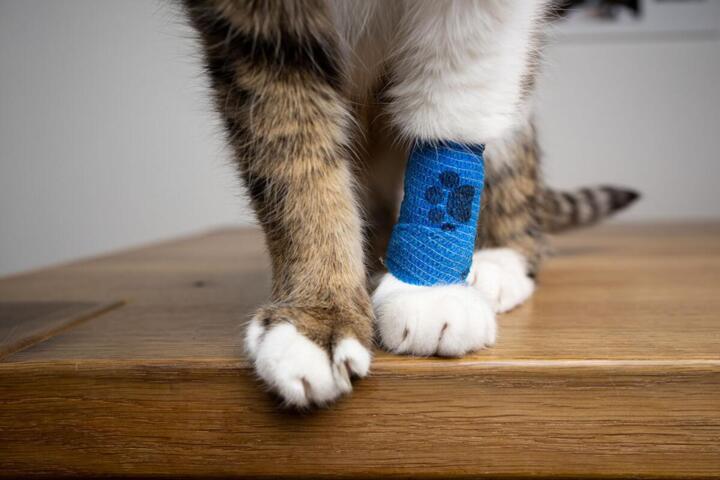
Insurance Waiting Periods
Pet insurance waiting periods refer to the mandatory amount of time between policy purchase and the date coverage begins for specific conditions. This period protects insurers from immediate claims and ensures that the pet is healthy at the start of coverage. Pet owners who understand these rules avoid costly surprises and can strategically plan to activate coverage when it matters most. Whether you own dogs, cats, or exotic pets, knowing your insurer's waiting period policies empowers smarter decisions.
What Is a Pet Insurance Waiting Period?
A waiting period is the delay between buying a pet insurance policy and being eligible to make claims for certain illnesses or injuries. For example, healthy pet insurance provider Healthy Paws mandates a 14-day general waiting period, while ASPCA Pet Health Insurance may vary from 2 to 15 days depending on the condition.
Examples of Waiting Periods by Condition
Typically, waiting periods break down like this:
- Accidents: Often covered after 0 to 2 days (some polices offer immediate coverage).
- Illnesses: Commonly 14 days, but can be up to 30 days for chronic or hereditary conditions.
- Specific Conditions like Hip Dysplasia: Can have separate waiting periods up to 12 months.
These timelines prevent owners from purchasing insurance after a pet becomes sick. According to the North American Pet Health Insurance Association (NAPHIA), the average industry waiting period is 14 days, but it’s essential to verify each insurer's rules.
How Coverage Activation Works
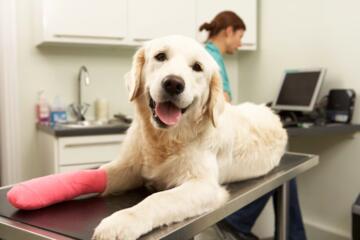
Once the waiting period lapses, claims related to covered conditions can be submitted and reimbursed. This means if your dog breaks a leg three days after policy purchase and the waiting period for accidents is 2 days, the claim will likely be approved. If it’s within the waiting period, claims are denied. Hence, understanding start dates is critical.
Waiting Period Problems
Mistiming and Claim Denials
A common issue is buying insurance when the pet is already showing symptoms or shortly before a vet visit. This results in claims being rejected due to unserved waiting periods. For example, a pet owner who acquires coverage the same day a dog shows signs of cancer can expect treatments to be excluded, potentially costing thousands out-of-pocket.
Misunderstanding Terms and Conditions
Pet owners often overlook the fine print. Some policies exclude pre-existing conditions, and waiting periods vary by illness, sometimes with separate limits for hereditary diseases. This confusion leads to dissatisfaction and distrust.
Financial Risks of Ignoring Waiting Periods
Delays or gaps in coverage can cause major financial risk. Data from Nationwide Pet Insurance reveals that the average yearly vet bill for dogs exceeds $570, while complex surgeries and chronic disease management can run into several thousands. An unfilled waiting period when an emergency occurs means the owner bears full cost.
Real-life Consequences
John, a Labrador owner in Ohio, bought a policy with a 15-day waiting period. Unfortunately, his dog contracted parvovirus on day 10. Because parvo was considered an illness, the claim was denied, leading to over $4,000 in emergency vet bills uninsured.
Strategic Solutions
Plan Ahead: Buy Early
The best way to avoid waiting period issues is to purchase insurance when your pet is young and healthy—ideally before any symptoms appear. According to Embrace Pet Insurance, buying coverage before 2 years of age results in fewer claim rejections related to pre-existing conditions.
Choose Accident-Only Policies for Immediate Protection
If illness waiting periods are a concern, consider accident-only coverage, which can activate within 1-2 days. This offers immediate financial safety against injuries while illness coverage activates later.
Understand Policy Fine Print Thoroughly
Scrutinize each insurer's waiting periods for specific conditions. For example, Trupanion skips waiting periods on accident coverage but enforces 5-day waiting for illnesses. Also, some insurers allow shortened waiting periods when switching providers or renewing.
Use Insurance Brokers and Comparison Tools
Platforms like PetInsuranceReview.com provide side-by-side comparisons showing waiting period durations, exclusions, and claim reviews. Such insights help pick a plan tailored to your pet's specific needs.
Maintain Continuous Coverage
Avoid gaps that restart waiting periods by paying premiums on time and renewing policies without lapse. According to PetsBest Insurance, lapses can lead to new waiting periods resetting, negating prior coverage longevity.
Leverage Wellness Plans During Waiting
While waiting periods apply to illness or injury claims, many insurers offer optional wellness plans that cover vaccinations and checkups immediately. Using these reduces out-of-pocket expenses during waiting.
Real-World Case Studies
Case 1: Healthy Paws and Immediate Accident Coverage
Company: Healthy Paws Pet Insurance
Problem: Owner needed quick coverage for unexpected accident.
Action: Purchased policy with immediate accident coverage (0-day waiting period).
Result: Dog suffered fracture two days after policy start. Claim approved quickly, reimbursed over $2,500 in emergency costs.
Case 2: Embrace and Planning Ahead to Avoid Costly Illness Claims
Company: Embrace Pet Insurance
Problem: Owner waited until pet aged 7 to buy coverage, with existing allergies.
Action: Policy purchased but allergies excluded, due to pre-existing condition and waiting period.
Result: Owner filed $800 claim for allergy management, rejected as illness during 14-day waiting period. Emphasized importance of early enrollment in future.
Insurer Comparison
| Insurer | Accident | Illness | Special Conditions |
|---|---|---|---|
| Healthy Paws | 0 days | 14 days | Hip dysplasia: up to 12 mo. |
| Embrace | 0 days | 14 days | 12 months hereditary |
| Trupanion | 0 days | 5 days | 12 months hereditary |
| ASPCA Pet | 2 days | 15 days | Varies by condition |
Avoiding Common Mistakes
Waiting to Buy Until After Illness Appears
Solution: Enroll young and healthy pets early to avoid denied claims on pre-existing conditions.
Ignoring Specific Waiting Periods for Chronic Conditions
Solution: Read policy exclusions and condition-specific delays carefully before purchasing.
Letting Coverage Lapse
Solution: Keep payment schedules tight and renew on time to prevent restarting waiting periods.
Assuming All Conditions Covered Immediately
Solution: Confirm waiting period lengths for accidents, illnesses, and hereditary conditions and plan accordingly.
Not Utilizing Comparison Resources
Solution: Use trusted platforms and brokers to review and select policies best fitting timelines and needs.
FAQ
What is the typical waiting period for pet insurance?
Most pet insurers have a general waiting period of around 14 days for illnesses and 0 to 2 days for accidents, but these can vary depending on the provider and condition.
Can I reduce or waive the waiting period?
Some insurers reduce waiting periods if switching from another company or if the pet was examined prior to coverage. However, waivers are uncommon and conditional.
Are pre-existing conditions covered after the waiting period?
No. Pre-existing conditions that were present before policy purchase are typically excluded, regardless of waiting periods.
Does renewing a policy restart the waiting period?
If coverage remains continuous without lapses, waiting periods usually do not restart. Gaps can trigger new waiting periods.
Can accident-only plans avoid waiting periods?
Many accident-only plans offer immediate coverage or very short waiting periods, making them a good option for emergency protection while illness coverage activates.
Author's Insight
From my experience in pet healthcare and insurance consultation, understanding waiting periods is often overlooked yet crucial. I’ve seen clients struggle with costly vet bills that insurance could have covered if policies were purchased earlier. Always prioritize enrolling your pet while healthy, and use accident coverage for immediate risks. Reviewing specific condition waiting times and keeping coverage continuous are key steps I recommend to all pet owners. This proactive approach reduces financial surprises and protects your beloved companion effectively.
Summary
Pet insurance waiting periods are unavoidable but manageable with proper understanding and planning. Buy early, read the fine print, choose policies strategically, and avoid gaps to ensure coverage activates when you need it. Utilize accident-only coverage if you want immediate protection, and leverage comparison tools for informed choices. This knowledge transforms pet insurance from a confusing expense into a reliable shield for your pet’s health and your wallet.